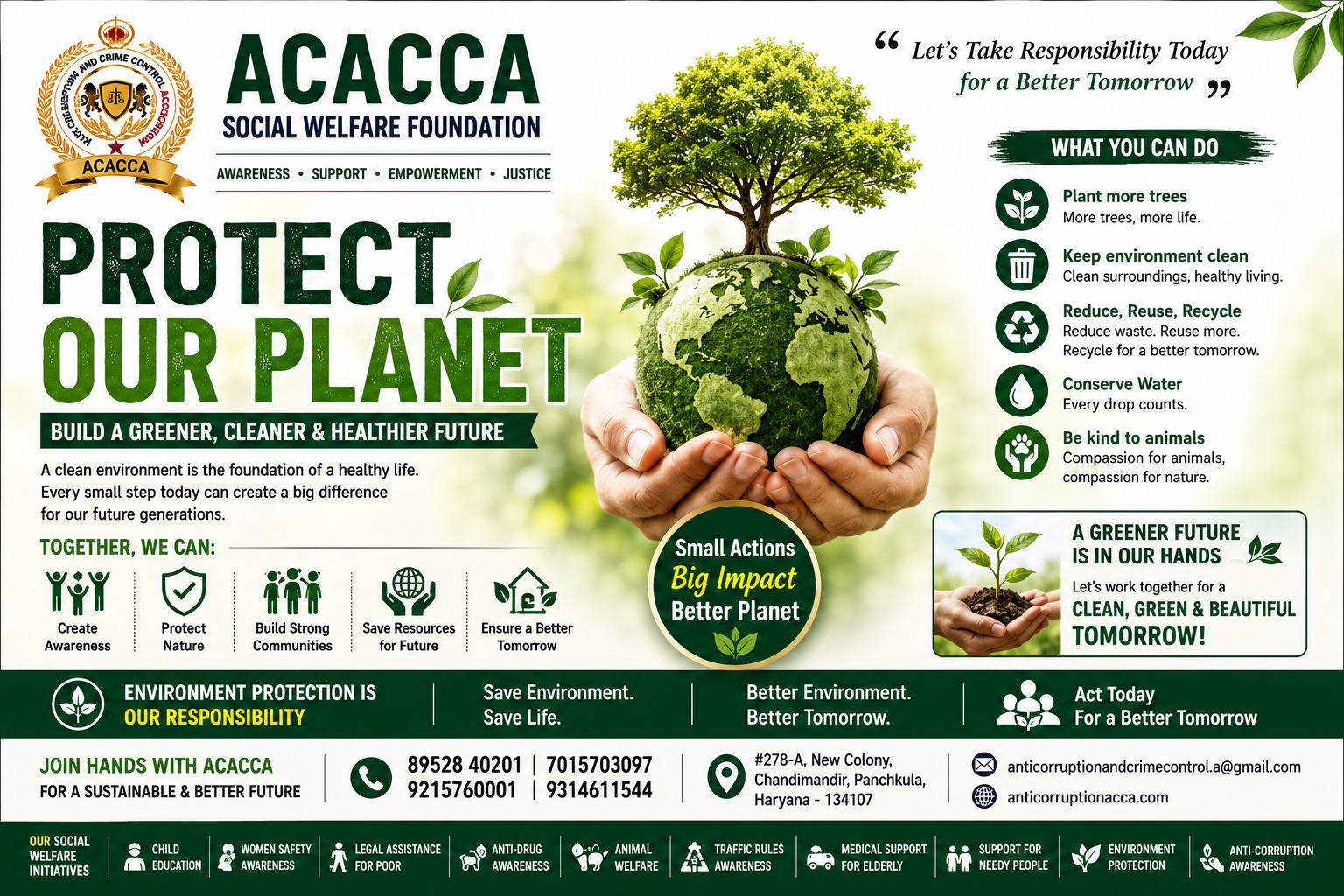
A healthy environment is essential for a healthy society. Clean air, safe water, green spaces, trees, and a balanced ecosystem affect the quality of life of every person and every community.
Environmental protection is not only the responsibility of governments and large organizations. Individuals, families, schools, businesses, and social welfare organizations can all contribute through awareness and responsible everyday actions.
ACACCA Social Welfare Foundation includes environmental protection among its social welfare objectives and aims to encourage greater public awareness about the importance of protecting our surroundings.
Why Environmental Protection Matters
The environment provides the basic resources that people and animals depend on every day. When natural resources are damaged or pollution increases, the effects can reach communities in many different ways.
Environmental problems can contribute to:
- Poor air quality
- Water pollution
- Loss of green spaces
- Damage to ecosystems
- Harm to animals
- Increased waste
- Unsustainable use of natural resources
Protecting the environment today helps create healthier living conditions for future generations.
Environmental Protection Begins With Awareness
People are more likely to make responsible choices when they understand how their actions affect the environment.
Simple awareness can encourage communities to think about:
- How much waste they produce
- How they use water
- The importance of trees and green spaces
- Responsible disposal of waste
- Reducing unnecessary plastic use
- Keeping public areas clean
- Protecting animals and natural habitats
Awareness does not require complicated solutions. Consistent small actions can make a meaningful difference when practiced by large numbers of people.
The Importance of Trees and Green Spaces
Trees play an important role in maintaining healthy surroundings. Green spaces can also improve the appearance of communities and provide valuable areas for people and wildlife.
Planting and protecting trees, avoiding unnecessary damage to vegetation, and maintaining public green spaces are practical ways communities can contribute to environmental protection.
Schools, resident groups, NGOs, and local communities can work together to encourage tree protection and environmental awareness.
Keeping Communities Clean
Clean surroundings contribute to healthier and more pleasant communities.
Improper waste disposal can create unpleasant conditions, attract pests, and contribute to pollution. Citizens can help by disposing of waste responsibly and avoiding littering in public places.
Community cleanliness also depends on collective responsibility. A clean street, park, school area, or neighbourhood is easier to maintain when everyone treats it as a shared responsibility.
Reducing Unnecessary Waste
Waste management is an important part of environmental protection.
Individuals can reduce waste by making thoughtful choices, reusing items when practical, and avoiding unnecessary consumption.
Simple habits can include:
- Carrying reusable bags
- Avoiding unnecessary single-use items
- Reusing usable materials
- Separating waste where appropriate
- Avoiding littering
- Donating usable items instead of throwing them away
These actions can help reduce the amount of waste entering landfills and public spaces.
Protecting Water Resources
Water is one of the most important natural resources. Responsible water use should therefore become part of everyday life.
People can contribute by avoiding unnecessary water wastage, repairing leaks, using water carefully, and encouraging awareness about water conservation.
Communities can also promote responsible practices that help protect local water sources from pollution.
Environmental Protection and Animal Welfare
A healthy environment is closely connected to the wellbeing of animals.
Pollution, habitat destruction, irresponsible waste disposal, and other environmental problems can affect animals and their surroundings.
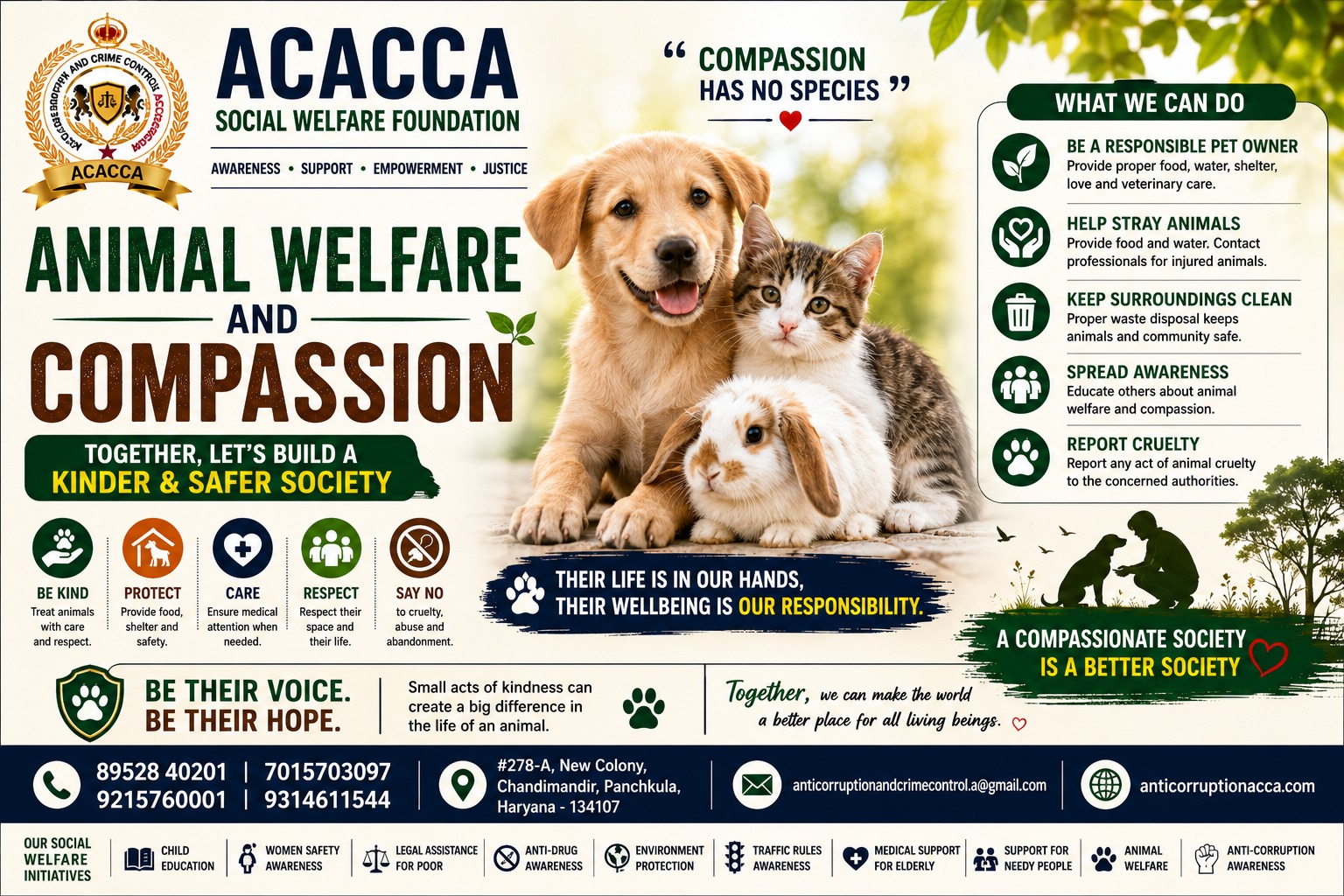
ACACCA Social Welfare Foundation also includes preventing cruelty toward animals among its social welfare objectives.
Protecting animals and protecting the environment are therefore connected parts of building a more compassionate community.
The Role of NGOs in Environmental Awareness
Social welfare organizations can help bring environmental awareness to local communities.
NGOs can contribute by:
- Organizing awareness programs.
- Encouraging responsible waste management.
- Promoting tree protection and plantation activities.
- Educating people about environmental responsibilities.
- Supporting animal welfare awareness.
- Encouraging community participation.
- Working with appropriate authorities where required.
Community-level awareness can help turn environmental protection from an occasional activity into an everyday responsibility.
Teaching Children About the Environment
Environmental responsibility can be developed from an early age.
Schools and families can teach children simple habits such as keeping surroundings clean, avoiding unnecessary waste, saving water, protecting plants, and treating animals with care.
Children who develop these habits early can carry them into adulthood and influence others around them.
Environmental education can therefore contribute to long-term social change.
What Communities Can Do Together
Environmental protection becomes more effective when people work together.
Communities can organize activities such as:
- Cleanliness and awareness drives
- Tree plantation and protection activities
- Waste reduction campaigns
- Water conservation awareness
- Animal welfare initiatives
- Environmental education programs
- Public awareness campaigns
The exact activities should be planned according to local needs, available resources, and applicable administrative requirements.
Individual Actions That Can Make a Difference
Every person can contribute to environmental protection.
Here are some practical steps:
- Keep public spaces clean.
- Avoid unnecessary plastic and waste.
- Save water and electricity.
- Protect trees and plants.
- Use resources responsibly.
- Dispose of waste properly.
- Treat animals with compassion.
- Encourage others to follow environmentally responsible habits.
- Participate in local awareness initiatives.
No single action will solve every environmental problem, but responsible habits practiced consistently can create a positive collective impact.
Environmental Protection as Social Responsibility
Environmental protection is closely connected with social welfare.
Pollution and environmental damage can affect vulnerable communities disproportionately. Protecting natural resources and maintaining cleaner surroundings can therefore contribute to broader public wellbeing.
A responsible society considers not only present needs but also the needs of future generations.
ACACCA Social Welfare Foundation’s Broader Social Mission
Environmental protection is one part of ACACCA Social Welfare Foundation’s wider social welfare activities.
The foundation also focuses on areas including:
- Child education
- Women safety awareness
- Legal assistance for poor people
- Anti-drug awareness
- Animal welfare
- Traffic rules awareness
- Medical support for elderly people
- Support for poor and needy people
- Public awareness programs
- Emergency assistance
- Anti-corruption awareness
These areas reflect the importance of addressing different aspects of community wellbeing.
Building a Greener Future Together
A cleaner and healthier environment cannot be created through one campaign alone. It requires continuous awareness and responsible participation.
When individuals make better choices, families teach responsible habits, schools educate children, and communities participate in environmental initiatives, the combined impact can be significant.
Social organizations can help bring people together and encourage greater participation in these efforts.
Conclusion
Environmental protection is an investment in the future.
Protecting trees, reducing waste, saving water, keeping communities clean, supporting animal welfare, and spreading environmental awareness are practical ways to contribute to a healthier society.
ACACCA Social Welfare Foundation aims to promote environmental awareness as part of its broader commitment to social welfare and community development.
A greener future begins with responsible choices today.
Protect nature. Care for our communities. Build a healthier future for everyone.
Contact ACACCA Social Welfare Foundation
Registered Office:
#278-A, New Colony, Chandimandir, Panchkula, Haryana – 134107
Website: anticorruptionacca.com
Email: anticorruptionandcrimecontrol.a@gmail.com
Contact Numbers:
89528 40201 | 7015703097 | 9215760001 | 9314611544